5 Unexpected Uses For Passive Radar
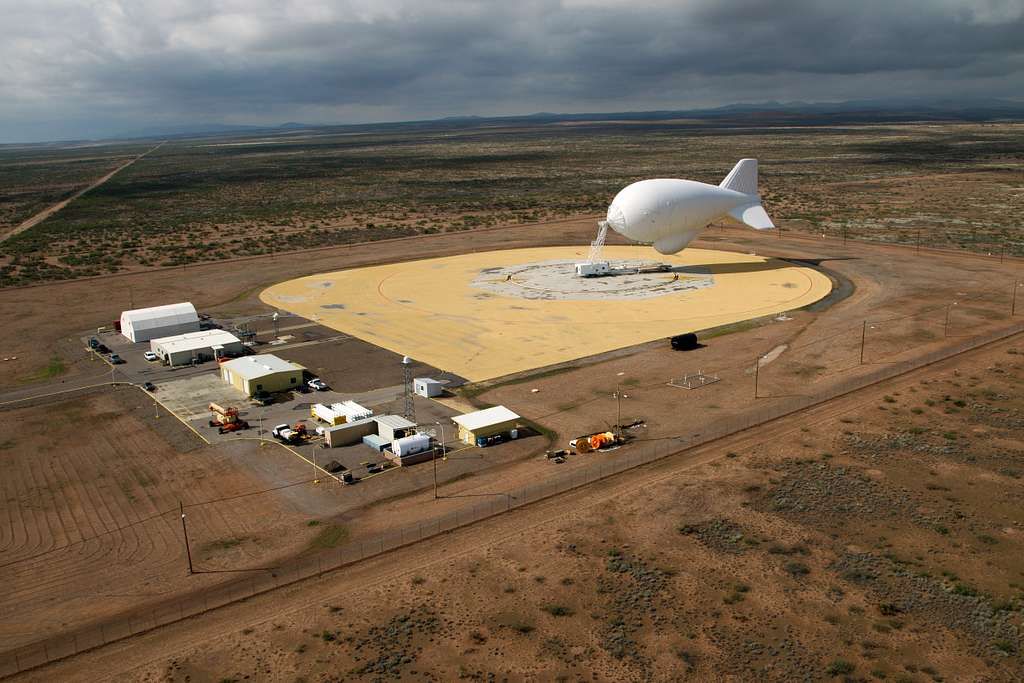
Passive radar listens to echoes bouncing off objects from existing TV, radio, satellite, or other broadcasts, so it requires no transmitter of its own. This means it needs no expensive hardware or broadcast license, making it suitable for distribution at scale.
The most obvious use case is for tracking aircraft, but there are dozens of others, some very creative. Here are a few of the more interesting ways people have used passive radar to measure the natural world:
1) Detecting Meteors
Meteors are constantly entering the Earth's atmosphere at speeds of many kilometers per second. Friction from moving through air at these speeds ionizes particles, resulting in a glowing plasma trail.
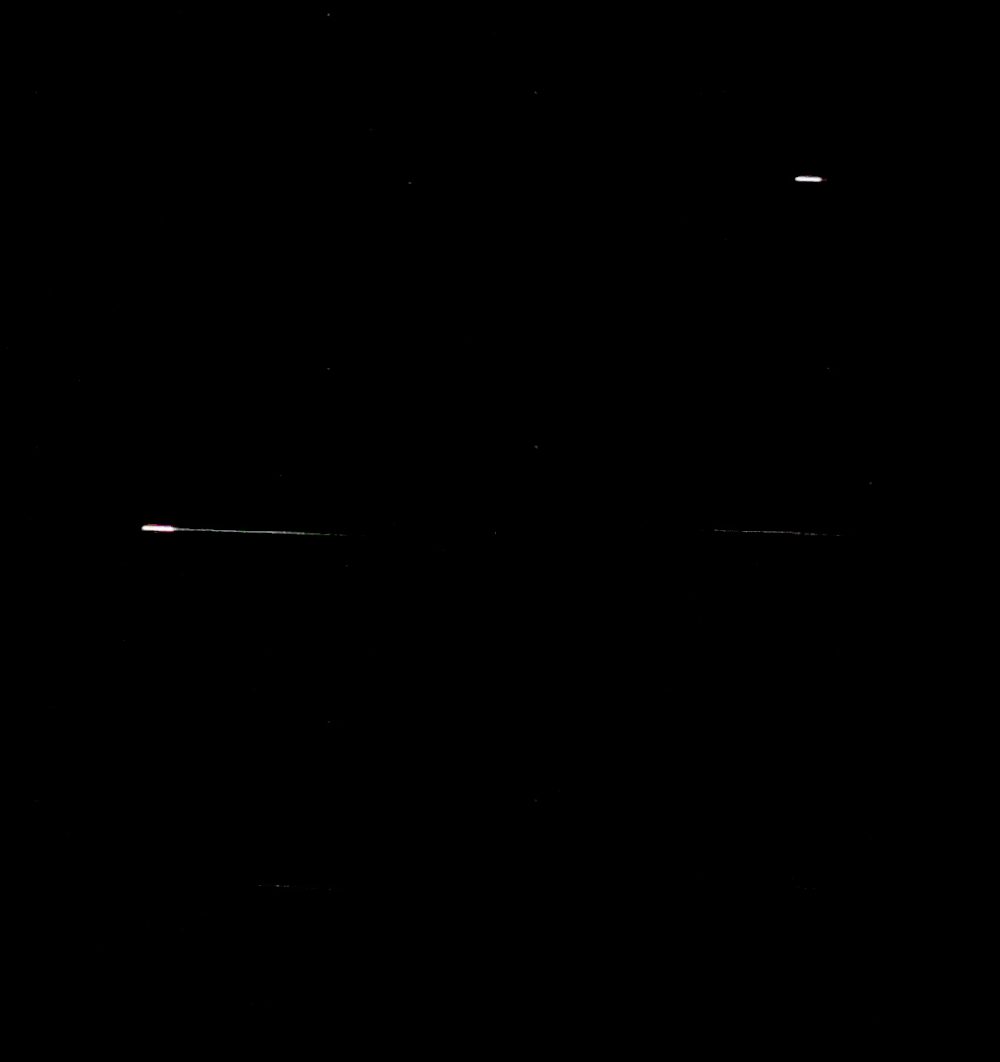

Because this trail is charged, it is reflective to radio waves, and echoes from nearby broadcasts bouncing off it can be used to locate it.
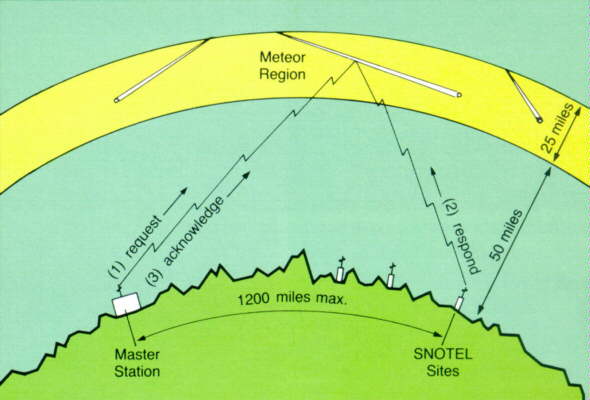
Interestingly, meteor trails can also be used as deliberate reflectors to allow radio signals to pass over the horizon, around the curvature of the Earth. This is known as meteor burst communications, and is a long-distance alternative to orbital communications, allowing direct transmitter-reciever contact, without an intermediate satellite repeater.

2) Tracking Wildlife
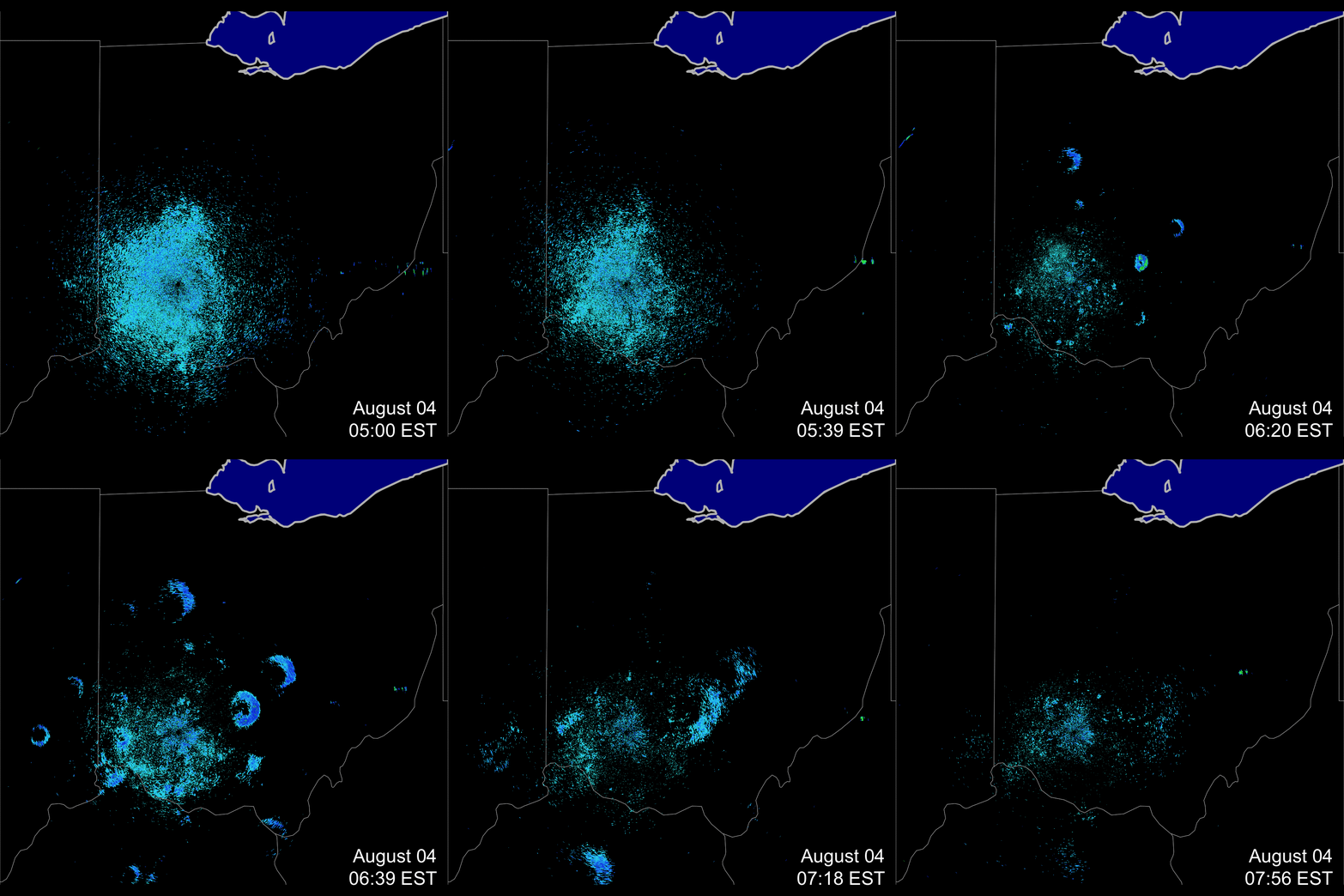
When animals move in groups, such as migrating insects, bird, and bats, they commutatively scatter radio waves enough to be picked up on radar. They're currently tracked with multi-gigahertz weather radars, but birds and bats are still detectable when illuminated by UHF digital TV broadcasts of ~0.5 GHz and up.
Radar can even be used to measure wingspeed, as an animal's beating wings give off what's called micro-doppler returns, meaning a seperate doppler shift for just a single part of the target. As the Doppler shift is a function of velocity and radio frequency, the speed of just the flapping wing can be characterized and used to identify the species.
3) Sounding Glaciers
With ice-penetrating radar, glacial depth can be measured from how long it takes radio waves to bounce off the surface beneath the glacier and be detected by a receiver.
There are often no illuminators of opportunity (i.e., radio towers) in the polar regions where most ice sheets lie, so instead, passive radar uses radio waves from an unexpected but convenient source: the Sun.
4) Mapping Terrain
By using multiple or moving antennas, it's possible to create a virtual aperture, achieving the same effect as a camera's aperture in capturing images. This is called synthetic aperture radar (SAR) and can similarly image landscapes, except that it uses radio waves rather than visible light.
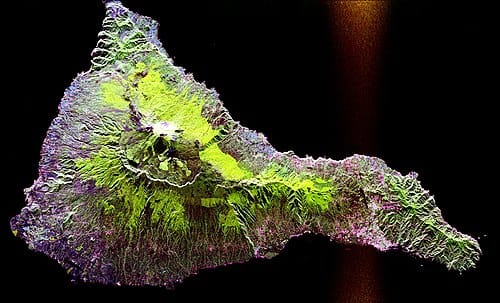

Usually, this is done from space, as a satellite's orbital motion serves as the aperture window. However, ground-based passive radar receivers have also been shown to work by taking longer (~15-minute) snapshots.
5) Measuring Space Weather
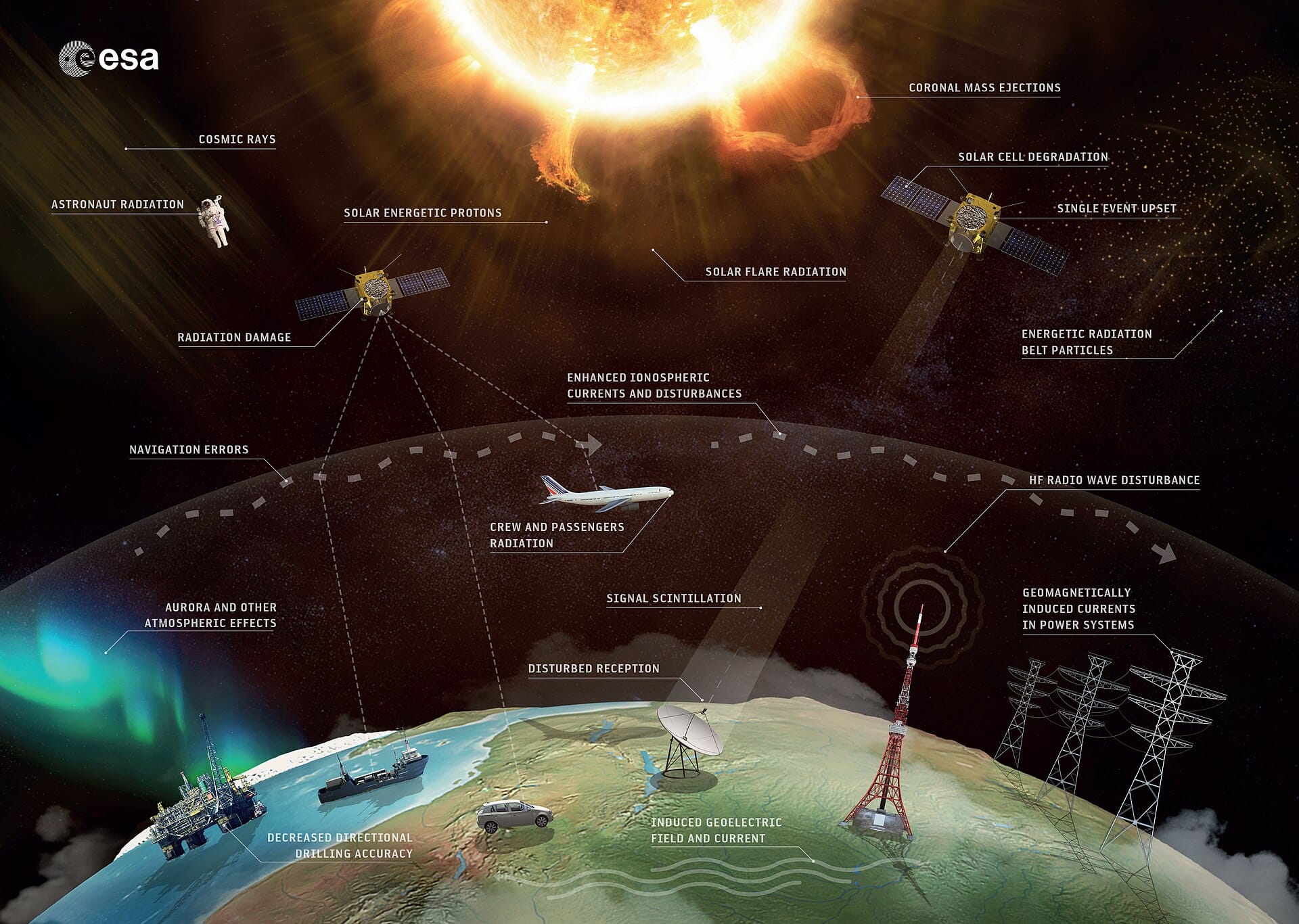
Space weather is the conditions of the upper atmosphere and beyond, including geomagnetic storms and solar wind. This can affect satellites, space launches, and even terrestrial power systems.
Using FM radio broadcasts, Meyer & Sahr detected plasma irregularities in the ionosphere. By continuously collecting and reporting this data, telecoms, GPS operators, and power grids can manage and calibrate their systems in real time.

There are even more uses for passive radar that we didn't cover this time, such as vehicle and ship tracking. Both are suitable for measuring from amateur home radar stations, and it's easier and cheaper to get started than you'd think.
Learn more: How to Get Started with DIY Passive Radar